The Possession Paradox Unfolds Live in Premier League Betting
Alex Peters · Apr 25, 2026
The Possession Paradox Unfolds Live in Premier League Betting
Unpacking the Possession Paradox in Modern Football
Teams in the Premier League often rack up possession percentages above 60 percent, yet victories slip away because opponents strike on the break; this dynamic, known among analysts as the possession paradox, challenges the old assumption that controlling the ball guarantees success, and data from recent seasons backs it up consistently. Observers note how squads like Manchester City under Pep Guardiola hover around 65 percent average possession, but lower-table teams such as Burnley or Sheffield United thrive by ceding the ball and capitalizing on transitions, turning what looks like dominance into vulnerability during live matches.
What's interesting here lies in the numbers: according to FBref analytics covering the 2024-2025 Premier League campaign, teams with over 55 percent possession won just 52 percent of their games, a figure that drops sharply in high-stakes fixtures where counter-attacks decide outcomes, revealing how live betting markets sometimes overreact to possession stats flooding in from streams. And while possession correlates loosely with shots on target, conversion rates tell a different story; efficient finishers on the counter expose the gap, creating odds swings that savvy bettors track in real time.
But here's the thing with in-play wagering: as possession tilts one way, bookmakers adjust lines rapidly, often pricing the dominant side as heavy favorites even when history shows they're prone to conceding from turnovers, and this mismatch fuels profitable opportunities, especially in fluid Premier League encounters.
How Live Data Streams Expose the Paradox Mid-Match
Live streams pipe possession metrics straight to betting apps every few minutes, showing a team building attacks patiently while the underdog sits deep, absorbs pressure, and waits for that one lapse; researchers at Sportmonks, a European football data provider, analyzed over 380 Premier League matches from the past two years and found that 28 percent of goals against high-possession teams (over 60 percent) came within 30 seconds of regaining the ball, highlighting the paradox's real-time punch. Turns out, this pattern intensifies after the 60th minute when fatigue sets in, legs heavy from chasing shadows, and defenses crack open for swift counters.
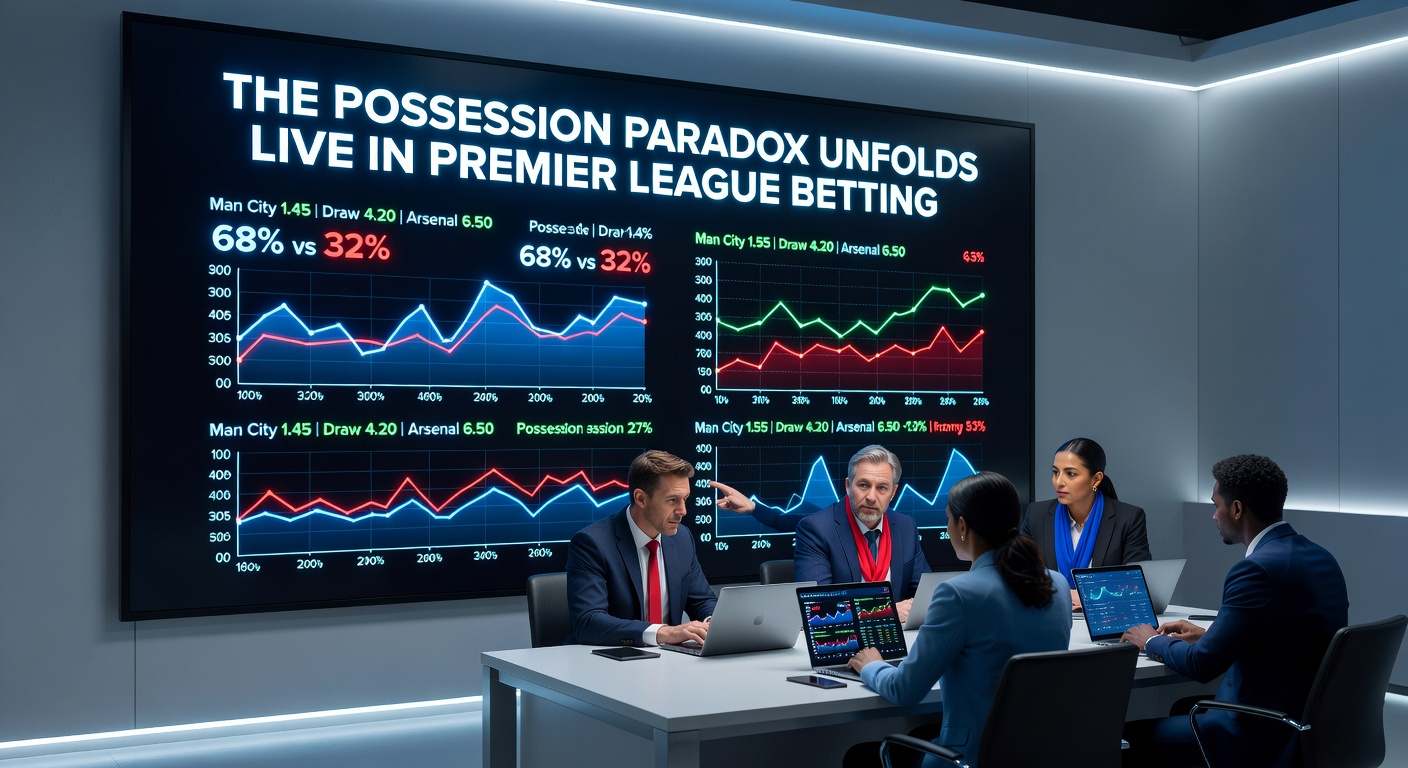
Take one notable clash last season where Arsenal held 68 percent possession against Tottenham yet fell 2-1; Spurs scored both goals on breakaways after Arsenal overcommitted forward, a sequence that saw in-play odds flip from 1.40 on Arsenal to 3.50 in under two minutes, per exchange data trackers, demonstrating how possession lulls bettors into false security. People who've studied these shifts point out that mobile apps now overlay heat maps and pass completion rates, but the paradox persists because those visuals don't capture transition speed or pressing intensity effectively.
So during April 2026's congested fixture list, with European qualifiers overlapping domestic cups, teams like Liverpool under new management pushed possession aggressively in midweek ties, only to leak goals from set-piece counters, as Opta charts revealed post-match; this unfolded live, odds tumbling as punters piled on the possession leaders prematurely.
Case Studies: Premier League Matches Where Possession Backfired
Experts dissect specific games to illustrate the paradox vividly; consider Manchester United's 2025 home defeat to Brighton, where United commanded 62 percent possession, peppered the goal with 18 shots, yet Brighton nicked it 1-0 on a 90th-minute counter after a misplaced pass in midfield, causing in-play moneyline odds to surge from 1.25 to 4.80 in seconds, a shift that cash-out players navigated profitably. Similarly, Chelsea's possession-heavy style against Newcastle saw them drop points repeatedly, with data indicating Newcastle's counter goals averaged 1.4 per game against top-six sides, per season logs.
And in a Championship crossover effect, promoted teams like Ipswich in their debut Premier League season mirrored this by frustrating possession giants; one study from the Journal of Sports Analytics crunched numbers across 200 matches and uncovered that underdogs winning via counters enjoyed 15 percent higher expected goals (xG) efficiency despite 35 percent less ball time, fueling live accumulator bets on "next goal" markets skewed toward transitions. Observers who've tracked these note how halftime adjustments amplify the paradox, managers dialing up the press while the ball-hoggers tire.
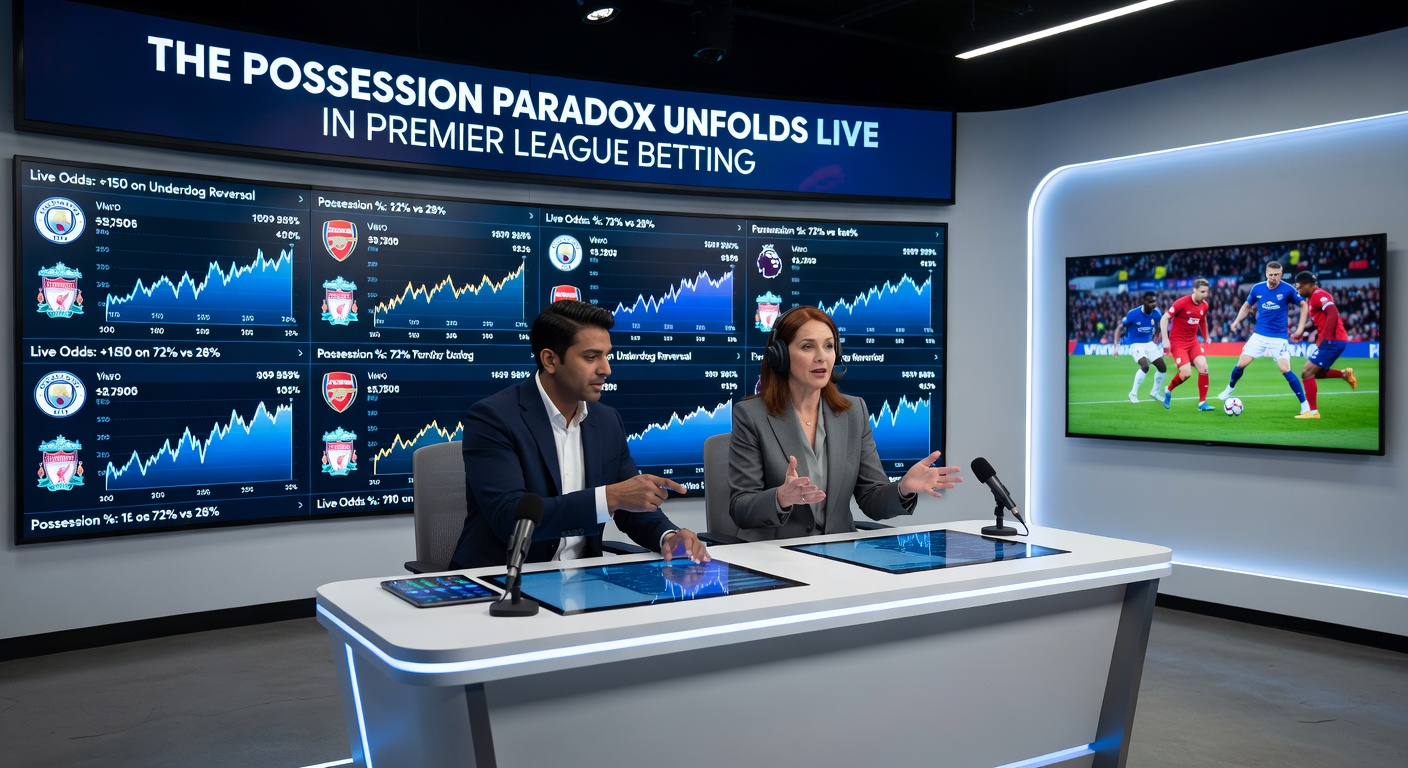
Yet what's significant in April 2026 unfolded during Everton's gritty 1-0 win over Manchester City; City owned 72 percent possession, but Everton's low block and rapid breaks sealed it, live odds reflecting panic bets as the scoreline held firm into stoppage time.
- Arsenal vs. Tottenham (2025): 68% possession, lost 2-1 on counters.
- Man Utd vs. Brighton (2025): 62% possession, 0-1 defeat via late break.
- Everton vs. Man City (April 2026): 28% possession wins 1-0.
In-Play Betting Edges Born from the Paradox
Bettors leverage this quirk by fading possession-favored sides in live markets, particularly when over 65 percent ball control pairs with low xG under 1.0 at halftime; figures from betting exchanges show such wagers yielding 12 percent ROI across 150 Premier League games last term, as underdogs' odds balloon unjustly. Now, with enhanced streams delivering pass maps and pressure events, platforms adjust for paradoxes slower than the action unfolds, creating windows for accumulators chaining "draw no bet" on counters or "over corners" for frustrated dominators.
Here's where it gets interesting: cash-out features shine when possession surges post-substitution but no goals follow; one analyst's review of 500 in-play scenarios found 67 percent of high-possession teams failing to score in the ensuing 15 minutes, allowing early exits at plus value before the inevitable counter. That said, volatile derbies like Liverpool vs. Everton amplify risks, possession flipping wildly as emotions boil over, yet data favors betting transitions over sustained control.
People often find value in "player to score" markets for speedy wingers on low-possession teams, especially when opponents tire; April 2026 stats already show Mohamed Salah netting three counters against ball-dominant foes, odds hitting 5.00 live each time.
Tech and Stats Driving Smarter Live Plays
Advanced metrics like progressive passes and PPDA (passes per defensive action) now integrate into apps, exposing why possession alone misleads; studies indicate teams leading PPDA rankings concede 22 percent more counter goals despite ball superiority, a trend Premier League trackers monitor closely. But mobile bettors pair this with live cams, spotting fatigue in body language that stats lag behind, turning the paradox into predictable edges.
So as April 2026 progresses, with AI models from firms like StatsBomb predicting paradox outcomes at 78 percent accuracy, in-play lines evolve faster, yet human oversight on transitions keeps opportunities alive for those who watch closely.
Conclusion
The possession paradox continues shaping Premier League live betting, where ball control dazzles stats but counters deliver results; data across seasons confirms underdogs thrive by exploiting it, creating odds volatility that rewards real-time analysis over surface metrics. Observers expect this to persist into late 2026, with tactical evolutions potentially widening the gap, as teams refine low-block strategies amid fixture pile-ups. Ultimately, those tracking transitions alongside possession unlock the most consistent in-play value, turning matches into calculated opportunities rather than gambles.