Referee Card Trends Altering Live Mobile Betting Choices Across English Football Fixtures
Theo Günther · Jun 22, 2026
Referee Card Trends Altering Live Mobile Betting Choices Across English Football Fixtures
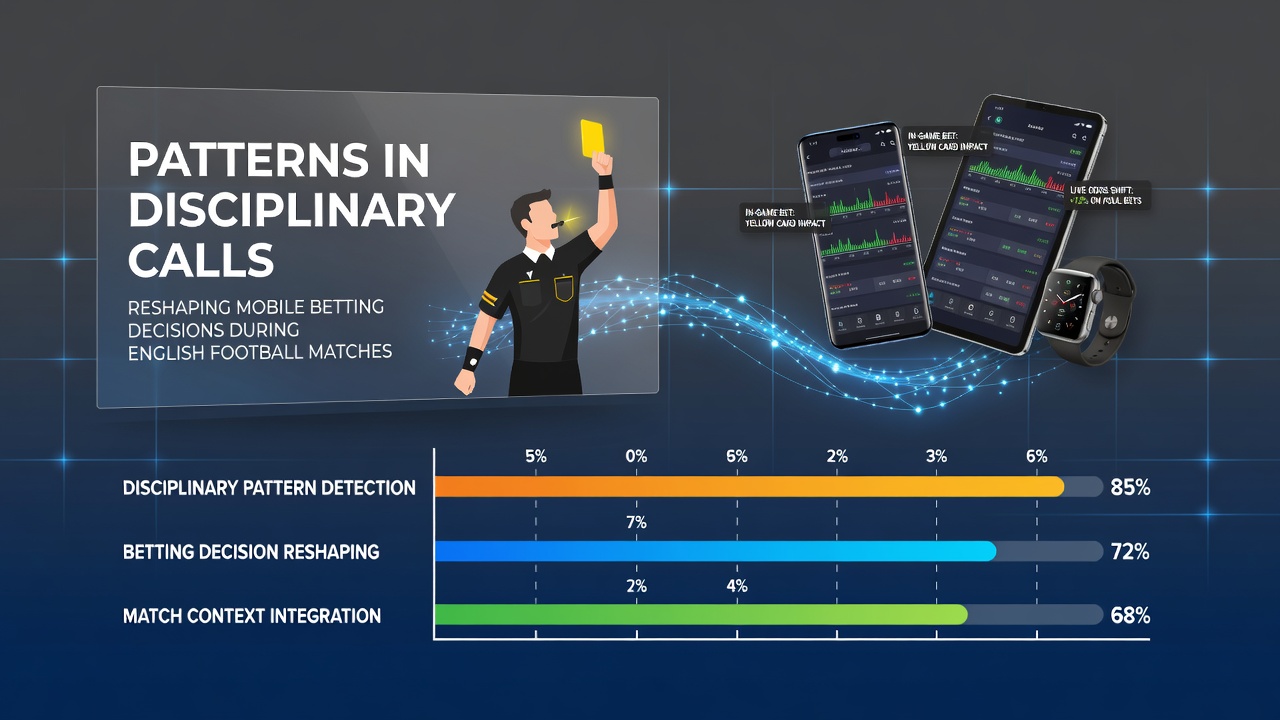
Disciplinary calls in English football have long influenced match outcomes, yet their effect on mobile betting decisions has grown more pronounced as live data streams deliver real-time updates to bettors. Patterns emerge when referees issue yellow cards at consistent intervals or when certain teams accumulate bookings in specific match phases, and these sequences prompt adjustments in wager selections on platforms that track cards alongside goals and corners. Observers note that mobile users often monitor booking rates per team and per referee, shifting stakes from goal markets to card-related propositions when early cautions signal tighter officiating.
Tracking Booking Rates and Referee Tendencies
Data from league matches indicates that referees average between three and five yellow cards per game in the Premier League and EFL divisions, with higher rates appearing in fixtures involving teams known for aggressive pressing styles. Bettors access these figures through apps that aggregate historical referee performance, allowing them to identify officials who issue cards more frequently after the 60-minute mark. Such patterns lead users to place live wagers on additional bookings rather than continuing with goal accumulators once the first caution appears, because the statistical likelihood of further cards rises measurably.
Analyses of recent seasons show that set-piece situations correlate strongly with disciplinary actions, since challenges near the penalty area draw more frequent interventions from officials. Mobile bettors respond by monitoring foul counts displayed on live interfaces, and when a threshold of six or seven fouls is reached without a card, the probability of an imminent booking increases according to aggregated match data. This prompts quick repositioning of stakes into card handicap markets while the match remains in progress.
VAR Interventions and Their Influence on In-Play Markets
Video assistant referee reviews have introduced additional layers of decision-making around fouls and potential red cards, with delays often lasting several minutes. During these pauses, mobile betting volumes shift toward markets that cover the outcome of the review itself, such as whether a card will be upgraded or a player sent off. Records from the 2025-2026 campaign reveal that VAR interventions occurred in approximately one in every four Premier League fixtures, and each review correlated with heightened activity in disciplinary betting options.
Patterns become clearer when specific teams face multiple reviews in a single half, prompting bettors to adjust accumulator selections that include card totals. Applications display running tallies of reviews and their outcomes, enabling users to place targeted wagers on the next card before play resumes. This real-time adaptation occurs because the data shows that reviewed incidents often precede additional cautions as players adjust their behavior.
Team-Specific Disciplinary Profiles in Mobile Strategies
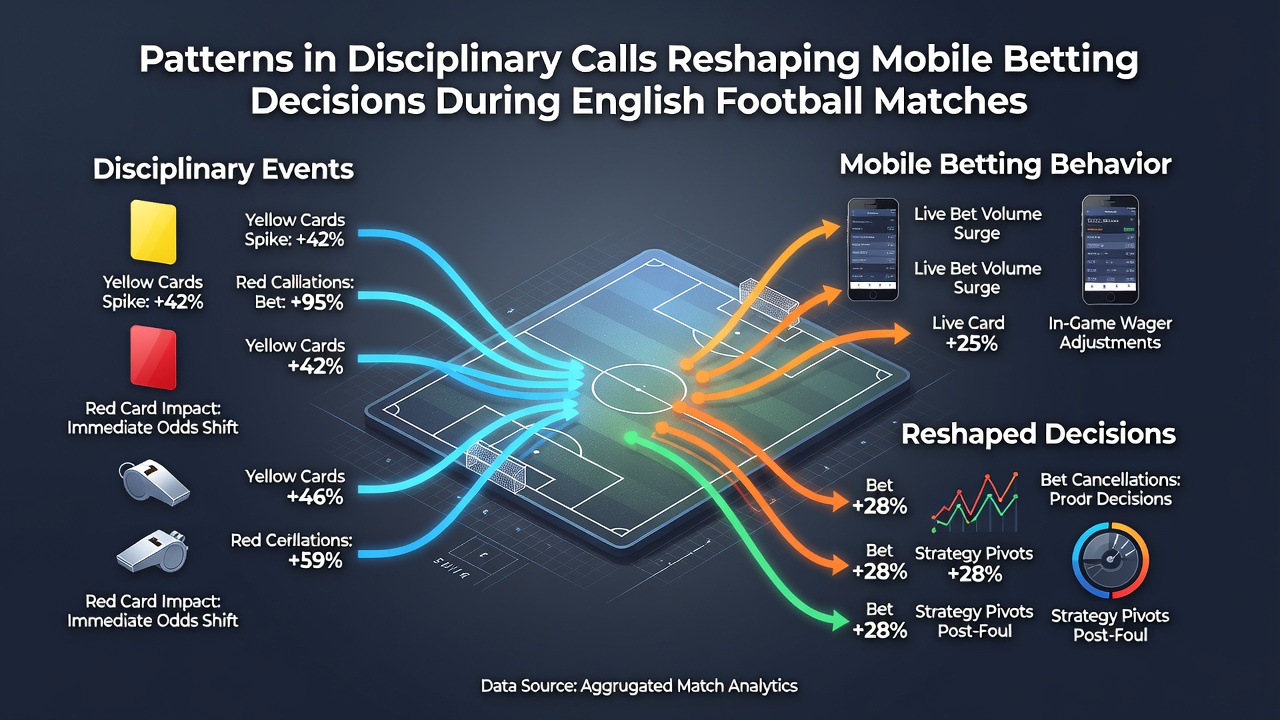
Teams with elevated foul rates per 90 minutes, such as those employing high defensive lines, generate predictable card sequences that mobile users incorporate into decision frameworks. Research from the European Gaming and Betting Association highlights how these profiles allow bettors to anticipate when a team will receive its second or third booking, leading to strategic cash-out actions on existing positions. In June 2026, analysts observed sustained patterns in Championship matches where mid-table sides accumulated bookings at rates 15 percent above the league average during away fixtures.
Accumulators built around player bookings gain traction once the first card lands, because historical data indicates clusters of cautions often follow initial incidents. Mobile interfaces update odds dynamically, reflecting the heightened probability, and users respond by adding or removing legs from their selections. This process relies on the consistent recording of disciplinary events across multiple seasons, which provides the foundation for these adjustments.
Integration of Live Streams and Statistical Overlays
Live video feeds combined with statistical overlays enable bettors to cross-reference on-field action with booking metrics in real time. When a referee approaches a player following a challenge, the visible body language often precedes the card, and mobile users who track these moments can place wagers on the next disciplinary event before the official signal. Studies conducted by the Responsible Gambling Council in Canada demonstrate that access to such combined data streams increases the frequency of in-play adjustments during high-stakes fixtures.
Patterns also appear in matches where one side receives multiple cards from a single official, prompting widespread shifts toward over-card markets. Bettors reference referee history through integrated tools, noting that certain officials maintain stricter thresholds in the final 15 minutes, and they align wagers accordingly without waiting for additional visual confirmation.
Conclusion
Disciplinary patterns continue to shape mobile betting approaches in English football by supplying measurable indicators that users apply across live markets. Referee tendencies, VAR outcomes, and team foul profiles supply the raw information that drives these decisions, while dynamic interfaces translate the data into actionable opportunities. As match records accumulate, the connections between cautions and subsequent betting adjustments remain a consistent feature of in-play activity across Premier League and EFL competitions.