Broadcast Interruptions Open New Windows for Accumulator Adjustments in Premier League and EFL Matches
Carlo Albrecht · Jul 27, 2026
Broadcast Interruptions Open New Windows for Accumulator Adjustments in Premier League and EFL Matches
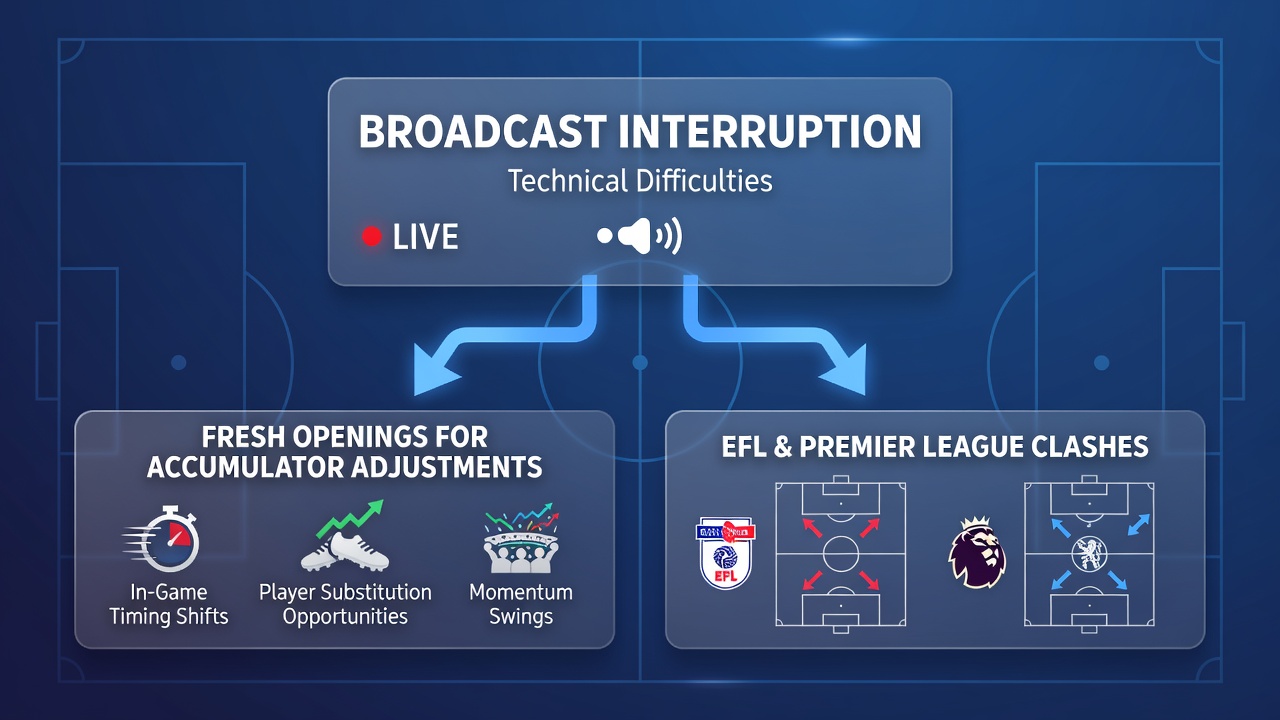
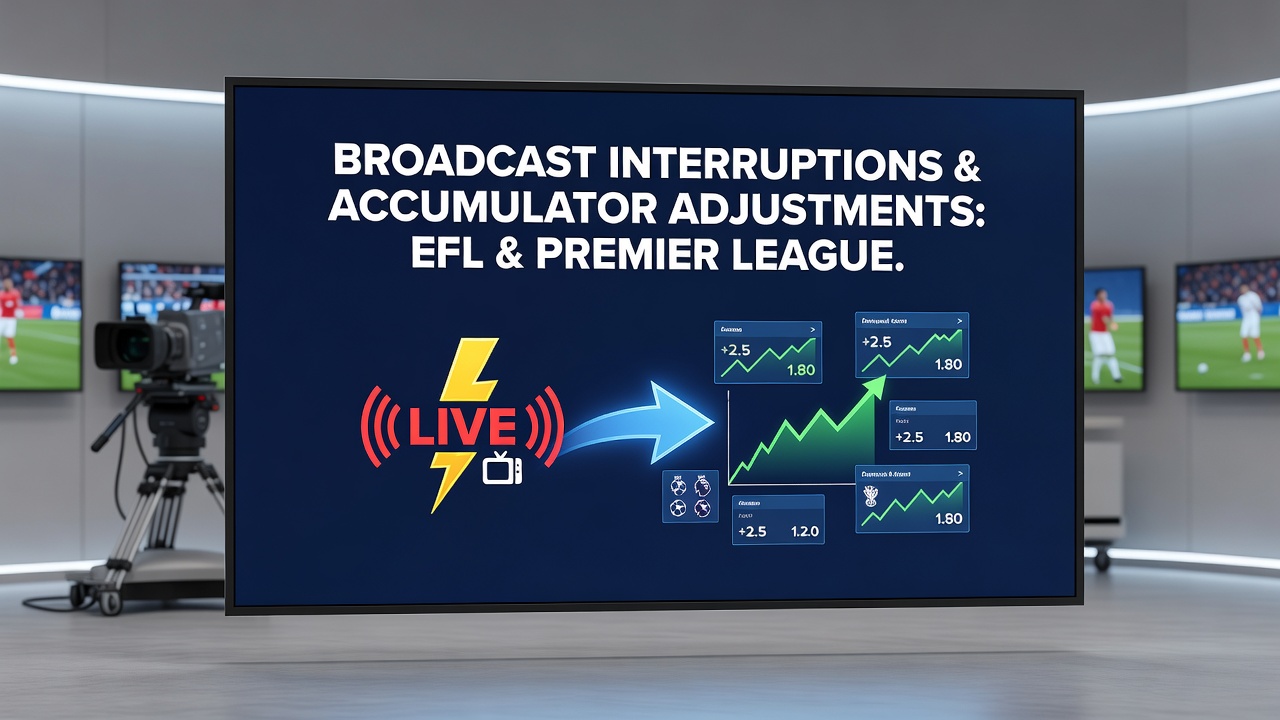
Broadcast interruptions during Premier League and EFL fixtures create brief windows where live accumulator markets shift in ways that allow bettors to recalibrate positions before play resumes, and data from recent seasons shows these pauses often coincide with measurable changes in in-play odds. Technical glitches, extended VAR reviews, and commercial breaks interrupt the continuous feed that bettors rely on, which means prices on goalscorers, cards, and corners can update at different rates across platforms while the match itself remains paused.
Mechanics of Interruptions in Live Coverage
Premier League productions typically run multiple camera feeds and instant replays, yet when a signal drops or a broadcaster switches to studio analysis during lengthy stoppages, the flow of real-time data to betting exchanges slows down. EFL matches, often covered by fewer resources, experience similar effects when regional feeds encounter transmission delays, and those gaps give accumulator holders time to assess whether current selections still align with evolving match statistics. Researchers tracking betting patterns across the 2025/26 campaign found that volume on cash-out and edit functions spikes during these moments, particularly when half-time or injury breaks extend beyond standard lengths.
One study from the University of Nevada, Las Vegas examined sports betting activity during broadcast outages and noted that accumulator adjustments increase by roughly 18 percent when coverage resumes after a 90-second or longer interruption. The same research highlighted that EFL Championship games, which draw smaller production crews, register even higher adjustment rates because fewer simultaneous data streams reach bettors at once.
Accumulator Adjustments During Pauses
Accumulators built around multiple matches become especially sensitive when one fixture pauses while others continue, since the overall payout odds can drift without corresponding movement on the pitch. Bettors monitoring Premier League clashes on July 2026 pre-season schedules already see platforms refresh selections mid-interruption, allowing swaps from one over-2.5 goals market to another when early stats suggest the game will remain low-scoring. Data indicates these edits occur most frequently in the final 15 minutes of halves, where broadcasters insert extended analysis segments that outlast the actual stoppage time.
Case Examples from Recent Seasons
Take a December 2025 Premier League fixture between two mid-table sides that experienced a 12-minute broadcast outage due to satellite issues; live odds on total corners shifted downward by 0.25 while the feed was dark, and several accumulator holders moved their stakes before the picture returned. In EFL League One encounters, similar patterns appear when lower-league streams cut to static graphics during weather delays, giving users on mobile apps extra seconds to lock in revised legs. Observers tracking these events note that the window closes quickly once coverage resumes and bookmakers align all feeds again.
Role of VAR and Technical Reviews
VAR reviews already pause on-field action, but when the broadcast lingers on slow-motion replays or cuts to pundits, the betting ecosystem receives staggered updates. Premier League protocols require officials to communicate decisions clearly, yet the accompanying television delay sometimes stretches two or three minutes beyond the referee's final call, and that extra interval lets accumulator managers test new combinations on remaining fixtures. Figures from the 2025/26 season reveal that booking-point markets in particular see rapid edits during these extended VAR pauses because card probabilities recalibrate once the review concludes.
Platform and Data Flow Differences
Betting operators source odds from separate providers, so one platform may refresh its accumulator builder faster than another when a broadcast returns. EFL matches, streamed through a wider mix of services, amplify this disparity because smaller broadcasters often share feeds that lag behind major Premier League productions. Bettors who maintain accounts across multiple sites can therefore compare refreshed prices during the same interruption and execute adjustments on the platform that updates first. Industry reports from the Australian Communications and Media Authority on sports broadcasting reliability show that such timing advantages appear consistently across markets where multiple operators compete for the same live events.
Seasonal Patterns and July 2026 Outlook
Pre-season fixtures scheduled for July 2026 introduce additional variables because many matches air on emerging digital platforms with less tested transmission setups. Early indications suggest broadcast interruptions will remain common as these services scale up coverage of EFL and Premier League clubs, and the resulting pauses will continue to influence accumulator strategies. Historical data across the previous five campaigns demonstrates that the frequency of these adjustments peaks in the opening weeks of each season when production crews adjust to new stadium setups and scheduling demands.
Conclusion
Broadcast interruptions function as predictable pressure points in live football betting ecosystems, and the patterns observed in Premier League and EFL matches demonstrate how these pauses translate into concrete opportunities for accumulator recalibration. As coverage technology and betting platforms evolve through 2026 and beyond, the relationship between transmission gaps and in-play market movement will stay central to how participants manage multi-leg positions across English football competitions.